

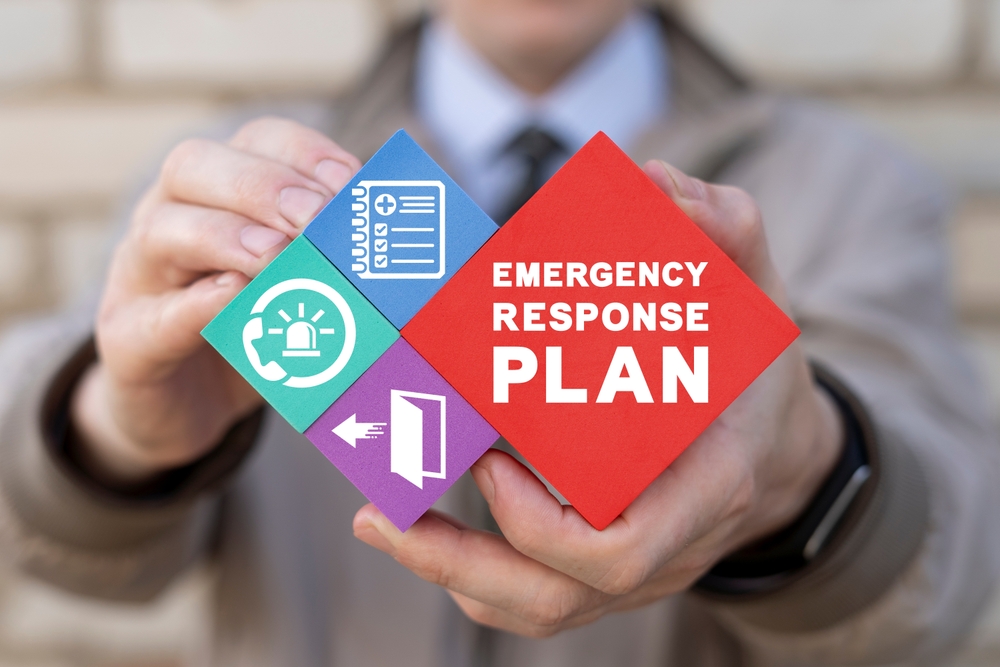
The Critical Importance of Emergency Management and Preparedness: Protecting Life, Business, and Reducing Risk
Every day, headlines remind us how quickly disaster can strike. In 2025 alone, U.S. communities have faced devastating floods in Alaska, hurricanes in the Southeast, and cyberattacks targeting critical infrastructure. FEMA recently announced billions in funding to help states prepare for disasters, underscoring a national urgency: preparedness is no longer optional—it’s essential. Yet, despite these efforts, many organizations remain vulnerable. Outdated emergency plans, fragmented communication systems, and weak cybersecurity measures leave schools, healthcare facilities, businesses, and government agencies exposed. The reality is clear: if you wait until a crisis hits, it’s too late.
Why Emergency Management Matters More Than Ever
Emergencies don’t discriminate—they impact every sector, every size, every day. Whether it’s a natural disaster, a pandemic, or a ransomware attack, the consequences of poor planning are severe: loss of life, financial devastation, reputational damage, and regulatory penalties.
The National Incident Management System (NIMS), developed by FEMA, provides a framework for coordinated response across government, private sector, and nonprofits. It emphasizes shared vocabulary, standardized processes, and integrated systems to prevent, protect, mitigate, respond, and recover effectively. Compliance with NIMS is not just best practice—it’s a requirement for federal preparedness grants.
Similarly, ISO 22301, the international standard for Business Continuity Management Systems, sets the benchmark for resilience. It ensures organizations can maintain critical operations during disruptions and recover quickly, reducing financial and reputational risk.
The Cost of Inaction
Consider these recent realities:
- Flash floods in Texas left communities scrambling without clear evacuation protocols. [theintelligencer.net]
- Cyberattacks on municipal systems disrupted essential services, exposing gaps in IT resilience.
- Pandemic aftershocks continue to strain healthcare facilities lacking continuity plans.
These events highlight a common truth: fragmented tools and outdated plans don’t save lives—they create chaos.
How MEC Bridges the Gap
MEC’s Emergency Management & Preparedness Ecosystem is designed to close these vulnerabilities and deliver structured, scalable readiness. Our approach combines:
AI-Driven Emergency Management Portal (EMP) assisted by EMMA
Our EMP Portal, assisted by EMMA (Emergency Management & Mitigation Advisor), is your virtual command center for preparedness. It uses AI-driven insights to guide you through risk assessments, plan development, and compliance checks in real time. EMMA helps collect data, identify gaps, prioritize actions, and keep your emergency plans current—so you’re never caught off guard.
Expert Advisory Services
MEC’s team of emergency management professionals provides virtual 1-on-1 support for Emergency Operations Planning (EOP), Continuity of Operations (COOP), and regulatory compliance. For larger engagements we offer options for onsite SME support. We help you design actionable plans aligned with FEMA’s NIMS framework and ISO 22301 standards, ensuring your organization meets industry best practices while building resilience.
Virtual CIO/CXO Leadership
Our Virtual CIO/CXO services integrate IT resilience and cybersecurity into your emergency strategy. We provide executive-level guidance to align technology infrastructure with business continuity goals, ensuring critical systems remain secure and operational during crises. This service is ideal for organizations lacking in-house leadership for IT and risk management.
Training Hub & Document Library
Preparedness is only effective if your people know what to do. MEC’s Training Hub offers a central location with courses such as Emergency Management Preparedness 101, and Cybersecurity 101 compliance-focused courses for staff and leadership. Our Document Library provides templates, checklists, and best-practice guides to keep your emergency plans organized and accessible.
Technology Optimization & Cybersecurity Defense
Following a structured ISO 27001 assessment preparation ensures not just compliance but a long-term cybersecurity culture.
Emergencies aren’t limited to natural disasters—cyber threats can cripple operations instantly. MEC evaluates your IT environment for vulnerabilities, optimizes infrastructure for resilience, and implements robust cybersecurity measures. From ransomware protection to secure backups, we ensure your technology supports continuity when it matters most.
Common Gaps We Solve
- Outdated or incomplete emergency plans
- Lack of alignment between physical security and IT resilience
- Limited staff training and exercises
- Poor communication protocols during crises
- No continuity planning for critical operations
- Cybersecurity vulnerabilities
- Non-compliance with regulatory standards
Real-World Impact
Emergencies come in many forms—and MEC ensures you’re ready for all of them. Imagine these scenarios:
- Cyberattack: A ransomware attack cripples your systems. MEC’s integrated cybersecurity assessment and AI-powered EMP Portal provide guidance, and visibility in to your vulnerabilities, and continuity—avoiding costly downtime and reputational damage.
- Severe Weather: A hurricane forces school closures. MEC’s EOP and COOP plans ensure safe evacuation, shelter-in-place procedures, and clear communication with parents and staff—protecting lives and minimizing disruption.
- Pandemic Surge: A healthcare facility faces staffing shortages and patient surges. MEC’s public health continuity planning and virtual advisory support keep critical services running while maintaining compliance.
- Active Shooter Threat: A university experiences an immediate security threat. MEC’s crisis leadership tools and communication protocols enable swift lockdown, coordination with law enforcement, and life-saving decisions in real time.
Why Act Now?
The Deloitte-NEMA National Risk Study confirms what emergency managers already know: funding, workforce, and technology gaps are widening, leaving organizations exposed. Emergencies are becoming more frequent and costly—and the headlines prove it.
So what’s next!
Don’t let your organization become the next headline. Whether you’re a school, healthcare provider, business, government agency, or faith-based organization, the challenges are real:
- Limited budgets for preparedness
- Lack of in-house expertise
- Fragmented tools and outdated plans
MEC is here to help you overcome these obstacles with a complete, integrated ecosystem for emergency management and preparedness. Start your Emergency Management & Preparedness Assessment today. Move from uncertainty to confidence—because readiness starts now, not after the crisis.
MEC Community Insights

MEC Awarded NASA SEWP VI Contract | Federal IT Procurement Solutions